


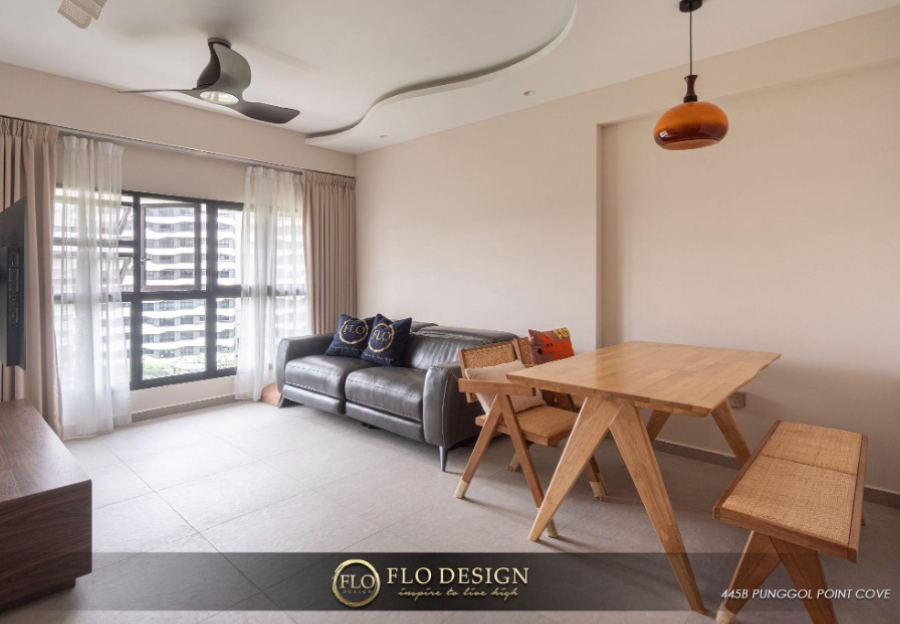
2025 delivered a powerful shift in how homeowners engage with design. More than ever, clients looked beyond aesthetics and gravitated toward meaningful, adaptable, and intelligently planned spaces. Trends faded quicker, technology evolved faster, and sustainability matured from a “nice-to-have” into a core requirement.
For designers in Singapore, the year reinforced one truth: good design is no longer only about how a space looks, but how it performs for the people living in it. As we step into a new year, there’s immense value in reflecting on what 2025 taught the design community and how these lessons can shape thoughtful, future-forward spaces in 2026 and beyond.
Human-Centred Design Takes Priority
2025 marked a renewed emphasis on designing around real behaviours, not assumptions. Clients increasingly requested intuitive layouts, clearer movement flow, and spaces that felt personalised rather than formulaic.
Homeowners explored their own daily rituals more deeply: where they like to read, where their children tend to play, how often they entertain, and what helps them rest. The most successful projects were the ones that took the time to understand these rhythms.
This shift also aligned with the growing demand for interior design services in Singapore, where compact living makes considered planning essential. Designers who listened closely crafted homes that felt emotionally attuned, not merely well-styled.
Multi-Functional Spaces Became A Lifestyle Essential
The hybrid lifestyle may no longer be new, but 2025 proved that it is here to stay. Rooms that used to serve a single purpose needed to evolve into spaces that could transition seamlessly between work, play, and rest.
Designers found themselves creating:
- Study rooms that double as hobby corners
- Dining areas that expand for hosting
- Bedrooms that feel calm for sleep yet efficient for occasional remote work
- Living rooms with transformable storage to hide the inevitable daily mess
This evolution pushed designers to explore clever zoning, built-in carpentry, and furniture choices that delivered flexibility without clutter. As 2026 approaches, the lesson is clear: multi-functionality is not a trend, it is a core design principle.
Sustainability Matured Into A Standard Expectation
While sustainability has been around for years, 2025 saw it fully integrate into everyday design conversations. Clients became more knowledgeable about materials, environmental impact, and long-term maintenance. They were no longer satisfied with superficial “eco-friendly” labels; they wanted transparency and intentionality.
Designers responded with:
- Longer-lasting material choices
- More efficient lighting and appliance planning
- Designs that maximise natural ventilation and daylight
- Waste-reducing design processes
The biggest takeaway? Sustainability is most effective when invisible. A quiet but intelligent backbone that supports the home. 2026 will demand an even deeper commitment to this responsible design approach.
Technology Integration Became Less Showy And More Purposeful
Smart home technology used to be a flashy addition. But 2025 refined this perspective. Homeowners became more discerning, selecting technology based on genuine lifestyle utility rather than novelty.
Meaningful tech integration included:
- Lighting systems that adjust automatically to circadian rhythms
- Smart locks and surveillance that improved safety without being visually obtrusive
- Hidden cable management for cleaner aesthetics
- Power outlet positioning tailored to actual usage patterns
Designers increasingly collaborated with tech specialists early in the planning stage. The result? Homes that felt quietly intelligent rather than overloaded with gadgets.
Texture And Craftsmanship Returned To The Spotlight
Another standout lesson from 2025 was the renewed love for tactile materials. With the global rise of digital fatigue, homeowners embraced textures that added depth, warmth, and comfort.
Think:
- Limewash walls softening harsh light
- Timber grains bringing visual calm
- Stone variations adding organic movement
- Upholstered surfaces creating acoustic comfort
Craftsmanship also took centre stage, with clients appreciating handmade elements, artisanal finishes, and custom carpentry. The takeaway for 2026: tactility is a powerful emotional tool in design. People don’t just want to see beauty, they want to feel it.
Colour Palettes Shifted Towards Layered Neutrals
2025 saw a move away from bold statement colours as homeowners gravitated toward layered, grounding neutrals. Instead of stark whites or heavy greys, tones shifted toward warmer palettes: mushroom beige, creamy off-whites, muted sage, dusky taupe, and even soft terracotta.
Designers learned that colour modulation creates emotional balance. Layering subtle tones with contrasting textures allowed spaces to feel refined yet effortless. This trend will likely continue in 2026, especially in compact Singapore homes, where colour harmony can dramatically influence spatial perception.
Clients Wanted More Transparency And Collaboration
Another significant insight from 2025 is that clients want to feel involved, not in every decision, but in the journey. They expect clarity in material choices, realistic timelines, open communication, and explanations for design recommendations.
Designers who thrived were those who:
- Shared mood boards and samples early
- Set transparent expectations
- Provided clear rationales for layout decisions
- Treated the process as a partnership, not a service
The modern client values agency and understanding. Carrying this into 2026 will strengthen trust and elevate design outcomes.
Personalisation Outshone Trend-Chasing
2025 taught us that trends are useful inspiration, but rarely the foundation of a lasting home. Clients increasingly desired something unique to their lives: a reading alcove, a cosy tea corner, a dramatic kitchen backsplash, or a purposeful entryway.
Personalisation meant designing with intention rather than imitation. Trend-chasing resulted in forgettable spaces; personalised design created homes that felt genuinely lived-in and cherished.
In 2026, designers can expect clients to lean even more heavily into what makes their homes deeply their own.
Minimalism Evolved Into "Curated Living"
Traditional minimalism often felt cold or sparse. But 2025 pushed the design world toward “curated minimalism”, a direction that prioritised warmth, functionality, and a careful selection of meaningful objects.
It wasn’t about removing clutter for the sake of visual simplicity. It was about choosing thoughtfully: displaying items with emotional value, investing in quality over quantity, and designing storage that supports rather than hides life.
This shift is a reminder that minimalism is most successful when it feels human, not sterile.
Conclusion: Carrying These Lessons Into A More Thoughtful 2026
2025 reshaped how we understand homes, lifestyles, and the emotional dimensions of design. The lessons learned point clearly toward a more intentional, human-centred, and forward-thinking design approach.
As 2026 unfolds, designers have an opportunity to build on these insights and craft homes that are not only beautiful, but intelligent, sustainable, and deeply connected to the people who live in them.
For homeowners looking to refresh their spaces with this thoughtful approach, partnering with a studio that understands evolving design needs makes all the difference. You can explore more inspiration and expert insights with Flo Design.

